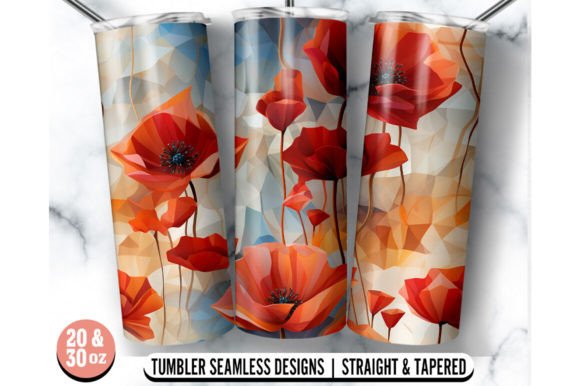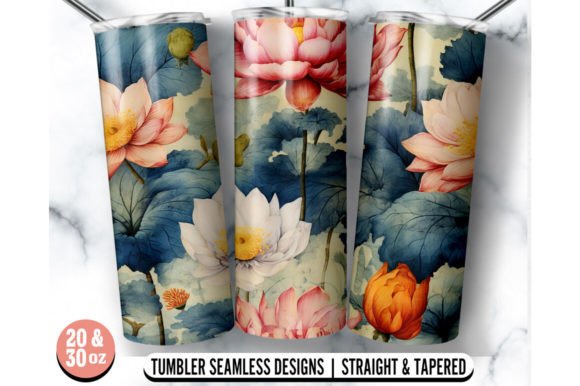
Vintage Flower Skinny Tumbler Wrap
First Impressions: Delicate, Cohesive, and Quietly Confident
When I opened the Vintage Flower Skinny Tumbler Wrap ZIP file, what struck me first wasn’t flash or trend-chasing—it was quiet intention. The layout flows with gentle rhythm: soft botanicals winding across a narrow vertical field, balanced but not symmetrical, detailed but never fussy. It reads as *hand-drawn*, not algorithm-generated—petals have subtle weight shifts, stems curve with organic ease, and spacing breathes just enough to avoid visual crowding. This isn’t a design shouting for attention; it’s one that earns it through cohesion and craft-aware composition. For embroidery designers who value nuance over novelty, that’s a strong starting point.
Real-World Fit: Where This Design Earns Its Keep
Last week, I used the Vintage Flower Skinny Tumbler Wrap as inspiration—not as a direct transfer—for a custom embroidered linen tea towel set destined for a local boutique’s spring launch. Why? Because its proportions and motif naturally translate beyond tumblers. The 9.3 × 8.2 inch template (20oz) maps beautifully to a standard 8” × 10” hoop, making it ideal for tote bag designs, pillow covers, or even oversized embroidered patches. I resized it slightly to fit a curved apron pocket—and the seamless flow held up. Customers responded to the warmth of the floral theme without feeling overwhelmed by busyness. That’s the real win: this design supports storytelling, not just decoration.
What Works—and Where to Pause—In Embroidery Execution
The Vintage Flower Skinny Tumbler Wrap performs well on stable, medium-weight fabrics like cotton twill, canvas, and midweight linen—especially when paired with tear-away or cut-away stabilizer. Satin stitch petals hold crisp edges; fill stitch leaves clean, breathable coverage; and running stitch accents add texture without density overload. But here’s where practical judgment kicks in:
- Small hoop sizes: Avoid cramming the full wrap into anything under 5” × 7”. Key details—like the delicate stamen lines or layered leaf veins—lose clarity below that threshold.
- Textured or stretchy fabric: On terry cloth towels or ribbed knit sweatshirts, test stitch density first. Dense fill areas may pucker unless stabilized with lightweight fusible + tear-away combo.
- Dark or thin fabric: The design relies on graceful negative space. On black fabric, use high-contrast thread (ecru or cream satin stitch over charcoal) and verify visibility in mockups—some inner petal shadows fade if thread tension is off.
- Curved surfaces: While built for tumblers, applying it directly to caps or curved baby onesies requires careful hooping and possibly splitting the design into two vertical sections to maintain alignment.
Customer Trust Starts With Visual Clarity
I’ve seen too many handmade products lose perceived value because the embroidery feels “off”—too dense, misaligned, or visually flat. The Vintage Flower Skinny Tumbler Wrap avoids those pitfalls. Its balanced stitch density allows fabric to show through subtly, reinforcing the handmade product feel rather than masking it. When stitched on an organic cotton tote or a baby onesie, it reads as intentional, not generic. That builds customer trust—especially for Etsy sellers and small shop owners whose buyers pay a premium for authenticity and care. It also translates cleanly into printable mockups, helping digital embroidery file buyers visualize how their finished product will look before stitching.
Design Assets That Support, Not Dictate
This isn’t a rigid graphic—it’s flexible design assets. As a craft business owner, I appreciate that its vintage floral theme bridges multiple niches: nursery decor, wedding gifts, kitchen branding, even minimalist holiday embroidery (think dried florals on linen stockings). It doesn’t scream “tumbler”—it whispers “thoughtful detail,” which makes it easier to repurpose across product lines. That versatility matters when you’re curating cohesive collections for craft fairs or building consistent boutique branding.
Practical Designer Notes Before You Stitch
Before committing to your first run—whether for personalized gifts, custom apparel, or commercial embroidery—do these five things:
- Test the Vintage Flower Skinny Tumbler Wrap on scrap fabric matching your final project’s weight and weave.
- Check thread color contrast on both light and dark backgrounds using grayscale mockups—subtle tonal shifts matter more than you think.
- Review stitch density in your embroidery software: watch for areas where fill stitches might overlap or compress fine stem lines.
- Confirm hoop size compatibility—especially if adapting it for sweatshirt embroidery or embroidered patch production.
- Verify licensing terms before selling finished items or bundling the digital embroidery file with other design assets.
A Design That Grows With Your Craft Business
What makes the Vintage Flower Skinny Tumbler Wrap stand out isn’t just its aesthetic—it’s how thoughtfully it fits into real workflows. It doesn’t demand special equipment or niche expertise. It works for hobbyists stitching their first pillow cover and for experienced apparel decorators scaling up for boutique orders. It supports personalization (add a monogram beside the stem), seasonal adaptation (swap thread colors for autumn rust or winter sage), and brand consistency (pair with simple typography for cohesive packaging). In a market flooded with disposable graphics, this feels like a keeper—a quiet, capable piece of Crafts category design that earns its place in your working library of Graphics and embroidery files.