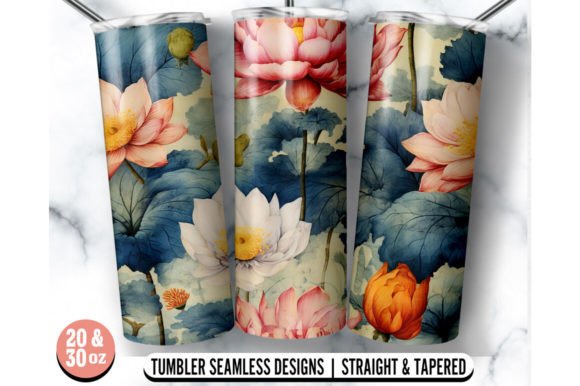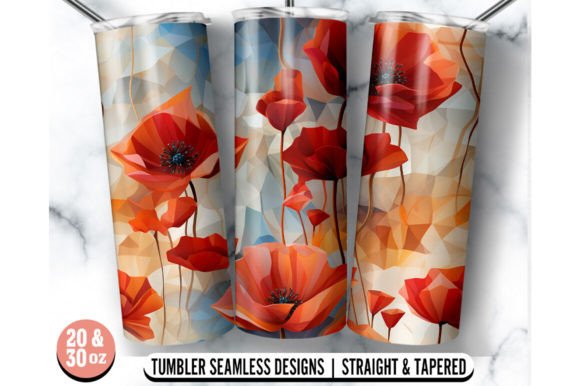
Polygon Flower Skinny Tumbler Wrap
A Designer’s First Glance: Clean, Modern, and Surprisingly Versatile
When I opened the Polygon Flower Skinny Tumbler Wrap file, my first thought wasn’t “tumbler”—it was “what if I stitched this on a linen tea towel?” That’s how strong its visual personality is. The design balances geometric precision with organic flow: sharp-edged polygons form layered petals, arranged in a gentle spiral that feels intentional but never stiff. It’s not fussy or overly detailed—no tiny filigree or micro-embroidery traps—but it carries weight and presence. At 9.3 × 8.2 inches (20oz) and 10 × 9.4 inches (30oz), it’s sized for full wraps, yet the seamless repeat and balanced negative space make it feel scalable. As a machine embroidery design, it reads as confident—not shouting, but holding attention.
Where It Truly Shines: Real Projects, Not Just Mockups
Last week, I used a scaled-down version of the Polygon Flower Skinny Tumbler Wrap as the centerpiece for a custom embroidered tote bag for a local botanical boutique. We resized it to fit a 6-inch hoop, simplified the outermost polygon layer to reduce stitch density, and stitched it on medium-weight canvas with a tear-away + cut-away stabilizer combo. The result? Crisp satin-stitched edges, clean fill-stitch petals, and zero puckering—even after two rounds of washing. Customers kept asking, “Is that printed or stitched?” That’s the quiet professionalism this design delivers.
It also translated beautifully onto a lightweight cotton baby onesie—stitched at 75% scale with soft pastel thread colors. Because the polygon shapes are open and well-spaced, the design breathes on delicate fabric without overwhelming it. For Etsy sellers or small shop owners, that adaptability matters: one digital embroidery file can support sweatshirt embroidery, pillow covers, aprons, and even embroidered patches when converted to applique design format (just confirm your software handles vector-based scaling cleanly).
Where to Proceed Thoughtfully
This isn’t a “drop-in-and-stitch” file for every surface. On highly textured fabrics like bouclé or thick terry cloth, the subtlety of the polygon edges can blur—especially in dense fill-stitch zones. I’d recommend lightening the stitch density manually or switching key layers to running stitch for definition. On stretchy fabric (think ribbed knit caps or curved sleeve cuffs), test the design first on scrap with proper stabilizer—some areas near the spiral’s center compress more than others during hooping.
Dark fabric demands attention too. The original layout assumes high-contrast sublimation, but for embroidery, thread color choice becomes critical. A black-on-charcoal version lost definition in the inner petal layers; switching to a tonal ecru thread restored clarity. And while the design avoids tiny lettering or fragile connectors, corners where polygons meet at acute angles can snag on thin fabrics—reinforce those spots with a light topping stabilizer or adjust underlay stitching if your machine allows.
What This Design Says About Your Finished Product
The Polygon Flower Skinny Tumbler Wrap quietly elevates perceived value. It doesn’t scream “handmade”—it whispers “thoughtfully made.” That distinction builds customer trust, especially for personalized gifts or boutique branding. When stitched on a kitchen towel or nursery blanket, it reads as intentional design—not clipart. For craft business owners, that means higher price tolerance, better Etsy listing engagement, and stronger brand consistency across product lines.
But let’s be real: its strength lies in restraint. It won’t carry a complex narrative like a monogrammed heirloom piece, nor does it suit maximalist holiday embroidery (think glittery snowflakes or layered Santa motifs). It belongs to calm, curated spaces—modern nurseries, minimalist apparel, artisan coffee shops, wedding welcome towels. If your handmade product leans into quiet confidence over bold statement, this design fits like a well-cut seam.
Practical Notes Every Embroidery Designer Should Check
- Always test on scrap fabric first—especially with your exact stabilizer + thread combo. Stitch density behaves differently on cotton twill versus polyester poplin.
- Review stitch density before scaling down. Shrinking below 80% may cause overlapping satin stitches or fill-stitch gaps. Adjust density or simplify layers if needed.
- Confirm hoop size compatibility. While the full-wrap dimensions suggest large hoops, many users will resize for smaller projects—verify your machine handles the adjusted stitch count smoothly.
- Inspect small details in black-and-white mockups. What reads as elegant contrast on screen may vanish on dark fabric or low-thread-count textiles.
- Use proper stabilizer for your fabric type. Medium-weight cut-away works best for structured items (tote bags, aprons); lightweight tear-away suits baby clothes and tea towels.
- Check licensing before selling finished items. This is a digital embroidery file intended for Crafts and Graphics use—confirm whether commercial embroidery or resale of physical products is permitted under the terms included in the ZIP.
Final Thought: A Quietly Confident Design Asset
The Polygon Flower Skinny Tumbler Wrap isn’t flashy—but then again, neither is a perfectly balanced stitch, a flawlessly hooped cap, or a customer who keeps your embroidered kitchen towel front-and-center on their counter. It’s the kind of design that rewards attention to detail, supports thoughtful craftsmanship, and grows more useful the longer you work with it. Whether you’re prepping for a craft fair, building an Etsy shop’s core collection, or designing a cohesive line of personalized gifts, this is one of those rare digital embroidery files that feels less like a template and more like a collaborator.