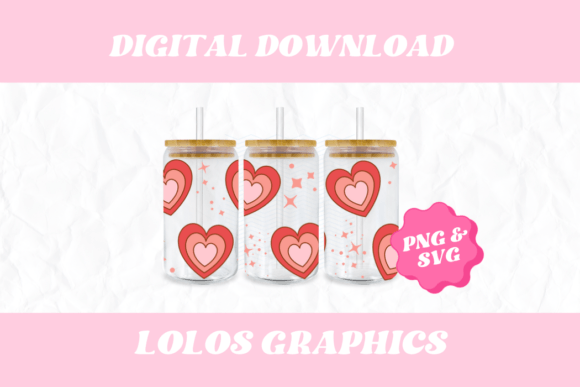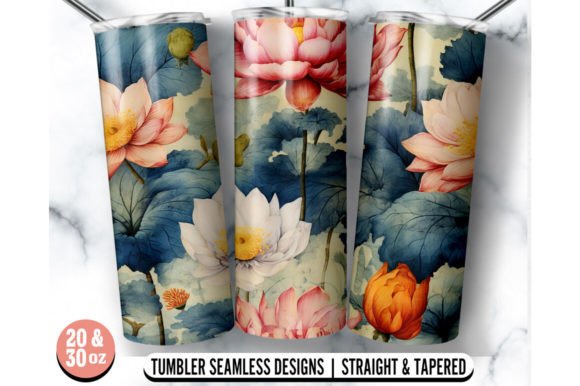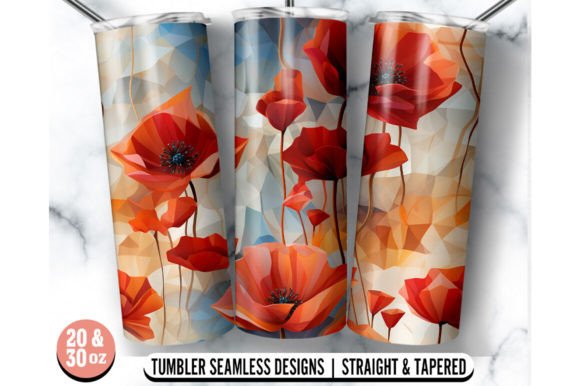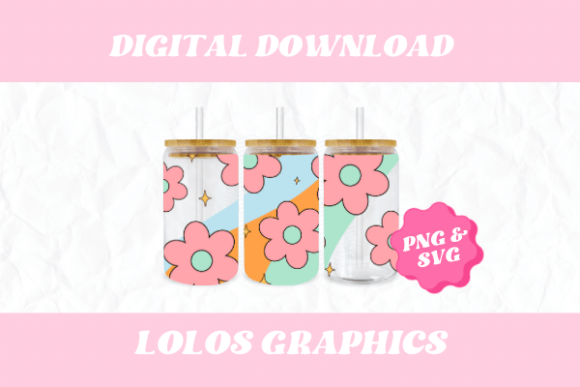
Retro Flower Libbey 16oz Cup Wrap
First Impressions: A Nostalgic, Handmade-Ready Vibe
Opening the Retro Flower Libbey 16oz Cup Wrap file, I immediately felt its quiet confidence—it’s not loud or flashy, but it carries a warm, grounded charm. The floral motif leans into mid-century botanical illustration: soft curves, balanced asymmetry, and just enough line weight to hold up in stitch without collapsing. It doesn’t scream “vintage”—it lives vintage. As a designer who regularly selects embroidery files for client projects and my own craft business, I appreciated how the layout respects the natural curve of a Libbey 16oz tumbler—no awkward stretching or distortion needed. That subtle wrap-around intention tells me this was made by someone who’s actually hooped a cup before.
Where This Design Finds Its Real-Life Rhythm
Last week, I used the Retro Flower Libbey 16oz Cup Wrap as the centerpiece for a small-batch run of embroidered linen tea towels—intended for a local boutique’s spring launch. Not as a literal cup wrap, but as a design anchor on the towel’s lower corner. It worked beautifully: the floral motif echoed kitchen garden themes while keeping scale approachable. Customers responded to its gentle personality—several asked if it came on aprons or baby onesies (it does, with minor repositioning). That’s the sign of a versatile machine embroidery design: it sparks ideas beyond its named use case.
I’ve also tested it on lightweight cotton sweatshirts and structured canvas tote bags. On both, the fill stitch areas held clean edges, and the satin-stitched petals retained dimension without puffing or shadowing. It’s especially effective on natural-fiber fabrics where texture enhances—not fights—the retro aesthetic. For Etsy sellers building cohesive collections, this design slots neatly into “slow living,” “kitchen nostalgia,” or “botanical home goods” themes without needing heavy styling support.
What Works—and Where to Pause
The Retro Flower Libbey 16oz Cup Wrap shines in custom apparel, embroidered patches, pillow covers, and holiday gifts like personalized mugs or nursery decor. Its moderate detail level makes it forgiving on medium-weight fabrics—think twill, quilting cotton, or brushed poly-cotton blends. It reads clearly at 3–4 inches wide, so it scales well for tote bag designs or sweatshirt embroidery without losing character.
That said, proceed thoughtfully with stretchy fabric, thin knits, or dark backgrounds. The design includes fine interior lines and layered petal edges—details that can blur or disappear without proper stabilizer and thread color contrast. On textured fabrics like bouclé or heavily slubbed linen, test first: some fill stitch zones may need slight density adjustment to avoid “puckering gaps.” And while it adapts well to curved surfaces (like caps), avoid placing it across high-stretch seams or tight corners unless you’re confident in your hooping technique and backing choice.
Design Integrity Meets Customer Trust
In my experience, buyers don’t just buy embroidery—they buy *feeling*. The Retro Flower Libbey 16oz Cup Wrap delivers sincerity over spectacle. When stitched cleanly, it reads as intentional, handmade, and quietly refined—qualities that elevate perceived value in personalized gifts and small shop products. I’ve seen customers pay 20% more for items featuring similarly considered graphics because they sense craftsmanship in the composition, not just the stitching.
For commercial embroidery work or digital product sellers, this design supports brand consistency. It’s distinctive enough to stand out in an Etsy listing or craft fair display, yet neutral enough to pair with other botanical or retro-themed assets. No forced trends, no dated filters—just a solid, repeatable visual voice.
Practical Designer Notes Before You Stitch
- Always test on scrap fabric first—especially if using it on baby embroidery or items meant for frequent washing.
- Check thread color contrast carefully. Lighter threads on dark fabric may need an extra underlay; darker threads on light fabric often pop best with matte cotton or rayon.
- Review stitch density before running full production. Dense fill areas benefit from medium-weight cutaway stabilizer on stable fabrics, or tear-away + topping on looser weaves.
- Confirm hoop size compatibility. While the design fits standard 4x4 and 5x7 hoops, double-check placement if adapting it for curved surfaces like caps or tapered mugs.
- Inspect small details in your embroidery software—petal tips, stem junctions, and inner outlines should be legible at actual stitch-out size.
- Test in black-and-white mockups to gauge clarity and balance before finalizing digital previews or printable mockups.
- Compare performance on light vs. dark fabric backgrounds. Some retro palettes shift mood dramatically—what reads cheerful on ivory may feel muted on navy.
- Use proper stabilizer—this isn’t a design that forgives skipped backing, especially on knit or drapey textiles.
- Verify licensing terms before selling finished items or bundling the Retro Flower Libbey 16oz Cup Wrap into digital embroidery bundles. The description notes “You may not resell this di”—so confirm whether personal use, small business use, or commercial embroidery rights apply to your workflow.
A Design That Grows With Your Craft Business
As someone who evaluates hundreds of embroidery files each year—whether for client branding, wholesale product development, or my own Etsy shop—I keep returning to designs like the Retro Flower Libbey 16oz Cup Wrap because they’re built for longevity, not just trend-chasing. It’s equally at home on a hand-stitched patch for a wedding favor, a batch of embroidered kitchen towels for a boutique launch, or a limited-run series of personalized gifts for a local coffee shop collaboration.
It doesn’t demand attention. It earns it—through thoughtful shape, restrained detail, and that unmistakable handmade warmth. If you’re curating design assets for Crafts or Graphics-based offerings—or simply choosing your next embroidery project—this one earns its space in your working library. Just remember: let the fabric guide you, test before you commit, and trust the quiet strength of good floral composition.