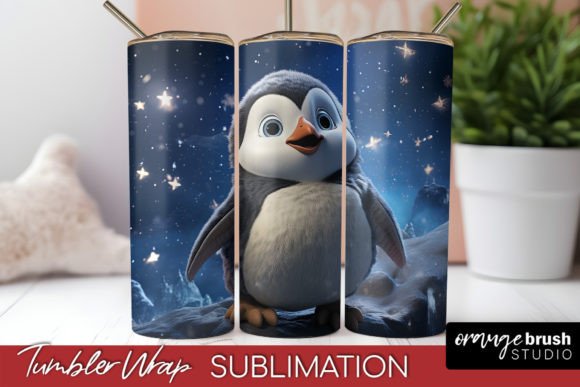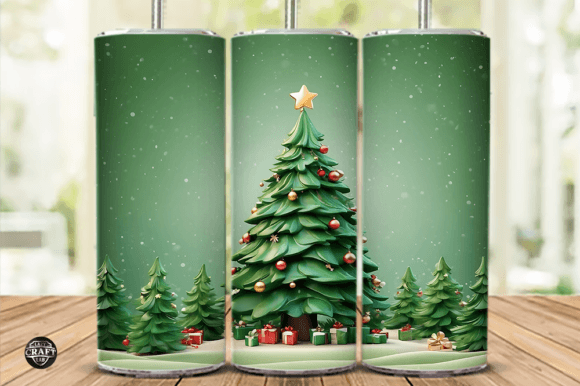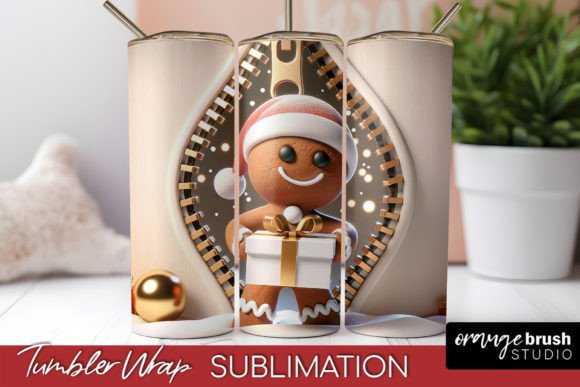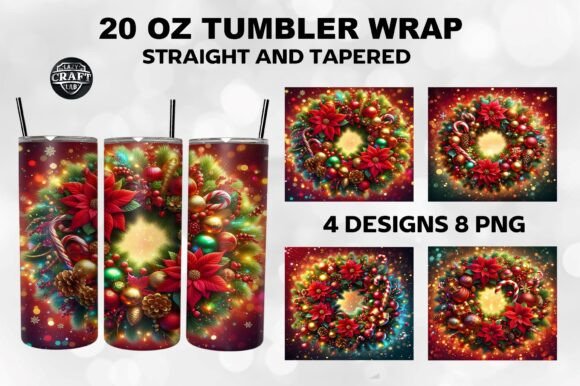
Christmas Tumbler Wrap Teddy Bear Design
A Designer’s First Look: Charm Without Clutter
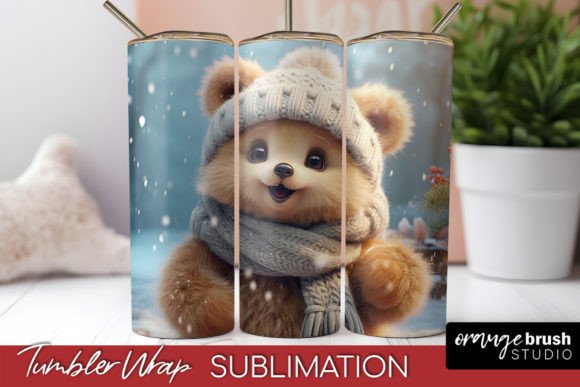
When I opened the Christmas Tumbler Wrap Teddy Bear Design, my first thought wasn’t “cute”—it was “usable.” That’s rare. So many holiday embroidery files lean hard into fussy details or oversized proportions, but this one lands with quiet confidence: a soft-edged teddy bear holding a tiny holly sprig, wrapped in a subtle red-and-green scarf, centered cleanly against a gentle circular frame. It doesn’t scream “Christmas!”—it smiles. The layout feels intentional for curved surfaces, and the negative space around the bear gives breathing room for stitching clarity. As an embroidery designer who’s stitched hundreds of holiday motifs, I immediately saw where this would shine—not as a standalone statement piece, but as a warm, cohesive accent on handmade products that invite touch and repetition.
Where It Lives Best: Real Projects, Not Just Pixels
I tested the Christmas Tumbler Wrap Teddy Bear Design on a few real-world items: a cotton twill apron for a local bakery’s holiday staff gift, a loopback cotton sweatshirt for a boutique’s limited-run collection, and a linen tea towel for a craft fair stall. In every case, it held up—not because it’s flashy, but because its scale and rhythm suit human-scale objects. On the apron, the bear sat comfortably above the pocket without overwhelming the fabric’s texture. On the sweatshirt, it read clearly even at 3.5 inches tall—no lost details, no muddy satin stitch edges. And on the tea towel? It added just enough whimsy to feel personal without competing with the weave. This isn’t a design built for giant tote bag centerpieces or dense quilt blocks. It’s made for small-batch, thoughtful making—think baby onesies, embroidered patches for denim jackets, nursery pillow covers, or personalized holiday mugs (yes, even if you’re adapting it from tumbler wrap to embroidery).
What to Watch For: Texture, Scale, and Stitch Behavior
Like any well-intended digital embroidery file, the Christmas Tumbler Wrap Teddy Bear Design needs context before it goes live. It performs best on stable, medium-weight fabrics—cotton blends, light canvas, brushed poly—where stabilizer can do its job without fighting stretch or slippage. On thin or highly textured fabrics (like bouclé or open-weave gauze), the fill stitch areas—especially the bear’s scarf and face—can lose definition unless you adjust density or add tear-away backing. I’d avoid it on dark, heavily napped fabrics unless you’re willing to test thread contrast carefully; the design relies on soft tonal shifts, not bold outlines. Also, skip curved hoops like cap fronts unless you simplify or resize—the original layout assumes a flat-to-gently-curved surface, not a deep dome.
Why It Builds Trust—Not Just Decoration
Customers don’t buy stitches—they buy intention. When I used the Christmas Tumbler Wrap Teddy Bear Design on a set of embroidered kitchen towels for an Etsy listing, buyers responded to how “cozy” and “handmade-feeling” it looked—not because it was complex, but because it felt considered. The bear’s expression reads gently across sizes, the scarf flows naturally with the curve of the tumbler wrap base, and the lack of tiny text or micro-details means it scales down gracefully for baby embroidery or up for small shop merchandise without distortion. That consistency builds brand trust. For craft businesses, that matters more than novelty. It says: *I chose something that works, not just something that looks good in a mockup.*
Practical Notes Every Embroiderer Should Run Through
- Always test on scrap fabric first—especially if using it on textured or stretchy materials.
- Check thread color contrast on both light and dark backgrounds; the design’s warmth depends on smart color pairing, not default palettes.
- Review stitch density—some versions may run denser than needed for lightweight apparel; reduce if puckering occurs.
- Confirm hoop size compatibility before digitizing for commercial embroidery; this design fits comfortably in a 4x4 hoop, but verify before batching.
- Inspect small details like the holly berries and scarf fringe—if they’re rendered as fine running stitches, they may need reinforcement on high-wash items.
- Try a black-and-white printable mockup to assess silhouette strength—this design holds up well, but always double-check.
- Use appropriate stabilizer: cutaway for knits, tear-away for wovens, and consider topping for nap-heavy fabrics.
- Verify licensing terms before selling finished items or bundling as part of your own digital embroidery file collections—commercial use isn’t automatic.
Final Thought: A Quiet Workhorse for the Holiday Season
The Christmas Tumbler Wrap Teddy Bear Design won’t dominate your portfolio—but it might become your most-repeated holiday asset. It’s the kind of embroidery file that disappears into the product just right: supporting the handmade feel without demanding attention. Whether you’re an Etsy seller prepping holiday inventory, a small shop owner curating boutique branding, or a hobbyist stitching personalized gifts, it offers reliability over spectacle. In a season full of visual noise, that’s a rare kind of value. Use it where warmth matters more than wow—and let the bear do the quiet work.