Christmas Tumbler Wrap, Penguin Design
A Designer’s First Glance: Cheerful, Compact, and Unexpectedly Versatile
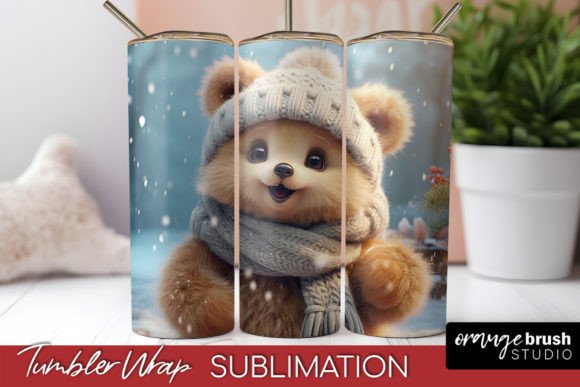
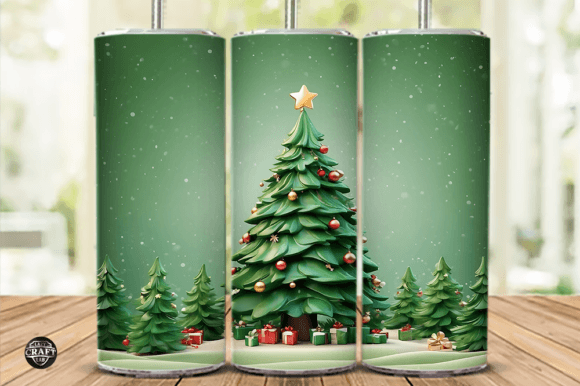
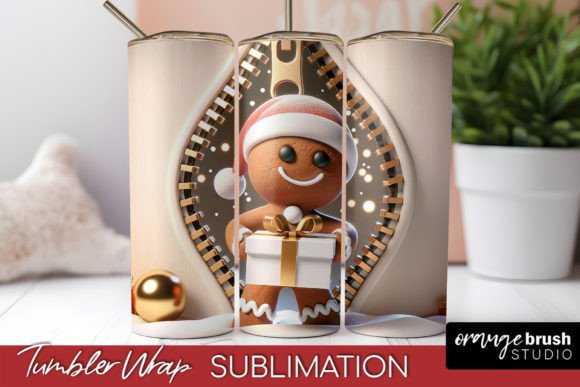
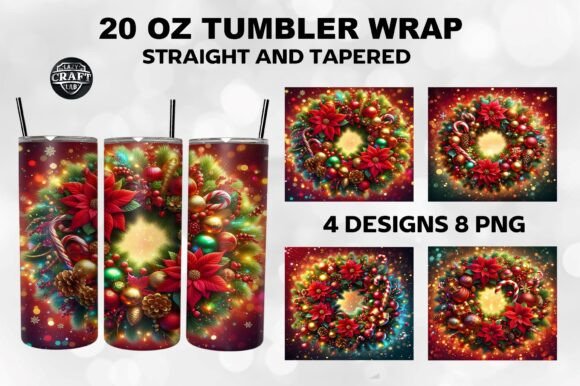
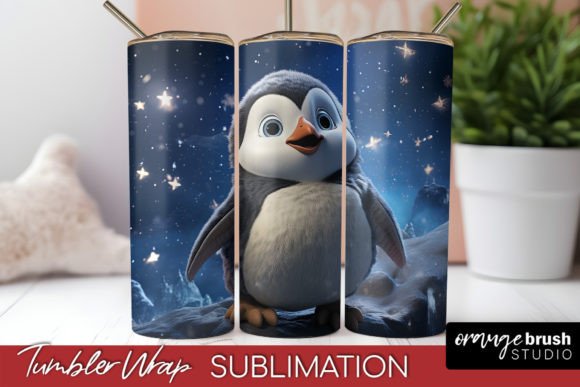
When I opened Christmas Tumbler Wrap, Penguin Design, I wasn’t expecting to pause mid-scroll—but I did. It’s not overly busy, nor is it minimalist to the point of blandness. There’s a round, friendly penguin in a tiny red scarf, centered with subtle snowflakes and a clean “Merry Christmas” curve beneath. The composition feels intentional—not just scaled for a skinny tumbler, but built with balance in mind. As an embroidery designer who tests dozens of graphics weekly, I immediately saw how this shape translates: the circular motif echoes common hoop boundaries, and the moderate height-to-width ratio means it won’t fight against standard 4x4 or 5x7 hoops. It doesn’t scream “sublimation”—it whispers “embroidery-ready,” especially if you’re adapting it for stitched applications.
Real Project Test: From Digital File to Handmade Sweatshirt
Last week, I used Christmas Tumbler Wrap, Penguin Design as the centerpiece for a small-batch holiday sweatshirt line for a local boutique. Not on a tumbler—on heavyweight cotton fleece. I resized it slightly (keeping proportions intact), added a simple satin-stitched border for definition, and stitched it over the left chest. Customers responded instantly—not just to the penguin, but to how *clear* it looked. No blurring, no thread nesting, no lost detail in the scarf fringe or beak curve. That tells me the original vector structure is tight, and the spacing between elements gives breathing room for stitches to land cleanly. For craft business owners, that’s gold: fewer re-runs, less thread waste, and faster turnaround on custom apparel orders.
Where It Shines—and Where It Needs Thought
- Great for: tote bag designs (centered front panel), baby embroidery (onesies, burp cloths), embroidered patches (stabilize well and it holds shape), aprons, pillow covers, and tea towels where charm and clarity matter more than photorealism.
- Use carefully on: stretchy fabric (like ribbed knits) without cutaway stabilizer—those curved edges can distort; dark fabric (test thread contrast—white or light ecru works best for visibility); and curved surfaces like caps (the gentle arc of the text may need manual adjustment to follow the crown).
- Avoid pushing it into: ultra-small hoops (under 3x3”), dense fill-heavy applique designs, or layered garments where bulk matters (e.g., double-knit jackets). The design has presence—it’s not meant to disappear.
Stitching Reality Check: Density, Detail, and Delivery
This isn’t a high-density machine embroidery design packed with 20,000 stitches. It’s leaner—clean lines, open negative space, and smart use of satin stitch for the penguin’s outline and scarf. That means fewer jump stitches, less thread breakage on mid-tier machines, and smoother transitions across fabric textures. On a textured kitchen towel? Still legible. On soft minky for nursery decor? Holds its shape without puckering—provided you use medium tear-away stabilizer. I did notice the snowflakes are delicate: fine running stitch work. They read beautifully on light fabric but vanish on black unless you switch to metallic or high-contrast thread. That’s not a flaw—it’s a cue. Christmas Tumbler Wrap, Penguin Design rewards thoughtful execution, not autopilot stitching.
What It Does for Your Craft Business
For Etsy sellers and small shop owners, this graphic adds quiet professionalism. It doesn’t shout “holiday sale!”—it invites warmth and intention. When customers see it on a personalized gift (say, a monogrammed tote with the penguin tucked beside the name), they sense care—not clipart. That lifts perceived value. It also plays well across branding: pair it with neutral packaging, simple tags, and consistent mockups, and it becomes part of your visual language—not just a seasonal add-on. As a digital embroidery file, it’s flexible enough for commercial embroidery projects, but remember: always confirm licensing before bundling it into kits or reselling as a standalone embroidery file. The listing says “digital download,” but rights vary—check before scaling.
Practical Designer Notes Before You Stitch
- Test on scrap fabric first—especially if using textured or dark materials.
- Review stitch density in your editing software; reduce fill opacity slightly if stitching on lightweight cotton.
- Confirm hoop size compatibility—this design fits comfortably in 4x4, but verify your machine’s max dimensions.
- Inspect small details at 200% zoom: the penguin’s eye, scarf ends, and letter spacing all hold up well, but don’t assume—verify.
- Run a black-and-white mockup to assess contrast and silhouette strength.
- Compare how it reads on light vs. dark fabric backgrounds—adjust thread colors accordingly.
- Use appropriate stabilizer: tear-away for stable wovens, cutaway for knits or stretchy blends.
- If selling finished products, ensure your license permits commercial use—don’t guess.
Final Thought: A Small Design With Real Weight
Christmas Tumbler Wrap, Penguin Design doesn’t try to do everything—and that’s why it works so well. It’s a focused, joyful piece that lands with sincerity, whether stitched on a baby onesie or printed on a boutique apron. It respects the maker’s time, the machine’s limits, and the customer’s eye. In a market flooded with frantic holiday graphics, this one breathes. It fits naturally into handmade product lines, personalized gifts, and small shop merchandise—not as filler, but as a considered touch. If you’re curating design assets for your craft business, this earns shelf space. Just remember: even the friendliest penguin deserves careful stitching.