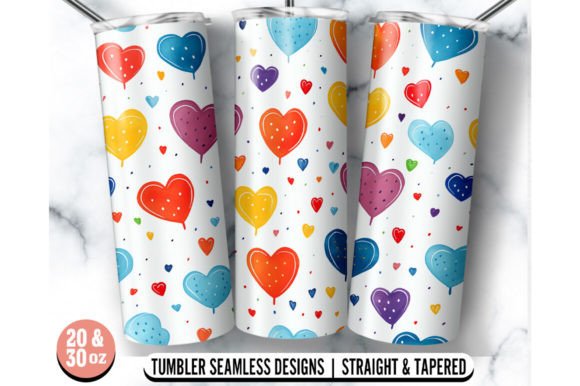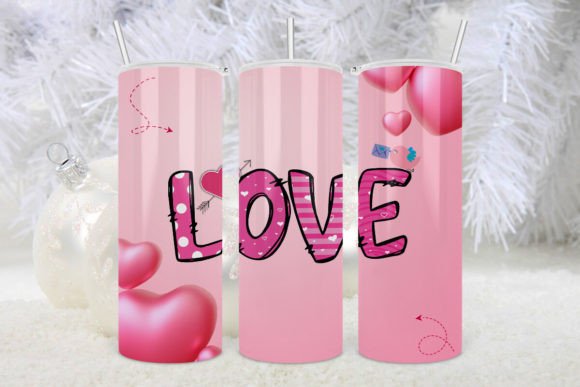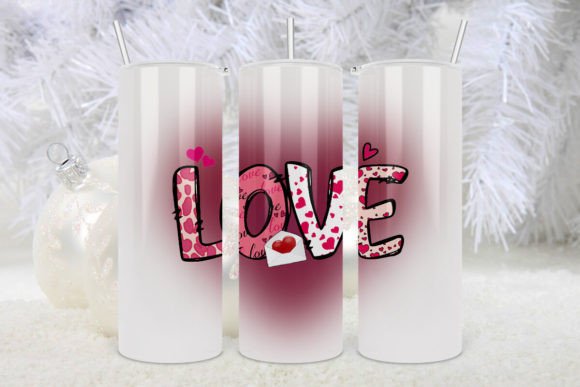
Love Valentines Heart Tumbler Wrap
A Designer’s First Look: Sweet, Simple, and Ready for Real Stitching
When I opened the Love Valentines Heart Tumbler Wrap, my first thought wasn’t “cute”—it was “clearly made for people who actually stitch.” This isn’t a busy, over-rendered digital graphic. It’s a clean, centered heart motif with soft curves, subtle inner line work, and that unmistakable Valentine’s warmth—without tipping into kitsch. The composition feels intentional: balanced width-to-height ratio, open negative space around the heart, and just enough internal detail to read well at 3–4 inches tall. As an embroidery designer who regularly tests files for client-ready use, I immediately pictured it stitched on a linen tea towel, a cotton tote, or even a baby onesie—where legibility and gentle scale matter more than flash.
Where It Shines: From Boutique Merchandise to Personalized Gifts
The Love Valentines Heart Tumbler Wrap fits naturally into low-pressure, high-impact embroidery projects. Think: small-batch holiday gifts for a local coffee shop’s staff, embroidered aprons for a bakery’s Valentine’s pop-up, or matching pillow covers for a nursery refresh. Because it’s delivered as a single high-resolution PNG at 300 DPI—not an SVG or vector—it’s clearly intended as a reference or base for digitizing, not direct machine import. That means you’ll need to convert it into a proper embroidery file first—but that also gives you full control over stitch type, density, and underlay. I’d use satin stitch for the outer heart contour, light fill stitch for the inner shape, and maybe a delicate running stitch outline if adding texture to a linen tote bag design.
For Etsy sellers and craft fair vendors, this design works especially well as part of a coordinated collection—say, paired with a minimalist “XOXO” script or a tiny floral sprig. Its simplicity makes it easy to brand consistently across sweatshirt embroidery, custom apparel, and handmade product tags. Customers respond well to designs that feel handmade *and* intentional—and this one delivers both. On a cream-colored organic cotton sweatshirt, it reads as thoughtful, not generic. On a dark navy kitchen towel? Still visible, still warm—especially with medium-weight stabilizer and matte thread.
Where to Pause: Texture, Scale, and Fabric Realities
Don’t assume this design auto-translates to every surface. On highly textured fabrics like bouclé or thick terry cloth, fine interior lines may blur unless you adjust stitch density downward and add extra topping stabilizer. On stretchy fabric—think ribbed knit baby caps or lightweight jersey tees—the heart’s smooth curves can distort if hooping isn’t precise or if tension isn’t calibrated. And while the PNG is crisp, remember: small hoop sizes (under 4” x 4”) will require careful cropping or simplification—especially if you’re planning to stitch it on a curved cap front or narrow cuff.
Also worth noting: because it’s a heart-based design without text, it avoids common pitfalls like tiny lettering or overlapping elements. But that also means its emotional impact relies entirely on execution—thread color choice, fabric contrast, and finishing quality. A pale pink satin stitch on ivory linen reads romantic; the same stitch on charcoal fleece reads muted, almost shy. Test it in black-and-white mockups first. See how it holds up on both light and dark backgrounds before committing to a full run.
Practical Notes Every Embroidery Designer Should Check
- Always test on scrap fabric first—especially if using it for baby embroidery or items meant for frequent washing.
- Review stitch density carefully. Overly dense fill areas can cause puckering on lightweight cotton or rayon blends.
- Confirm your hoop size matches the final design dimensions. Don’t force a 5” wide layout into a 4” hoop without adjusting proportions.
- Inspect small details at actual stitch size. Zoom in on your digitizing software—those inner heart lines should remain distinct, not merge into a blob.
- Use appropriate stabilizer: tear-away for stable wovens, cut-away for knits, and topping for napped or fuzzy surfaces.
- Check licensing before selling finished products. Since this is a digital embroidery file sold as a Graphics asset, confirm whether commercial use is permitted—and whether attribution is required.
- Compare thread colors across lighting. What looks rich on screen may read flat under retail lighting or natural daylight.
Beyond the Stitch: How It Shapes Your Craft Business
As a small shop owner or Etsy seller, your customers don’t just buy embroidery—they buy confidence in your eye, your process, and your taste. The Love Valentines Heart Tumbler Wrap supports that trust because it doesn’t try to do too much. It leaves room for your voice: your thread palette, your fabric choices, your finishing touches. That makes it versatile across categories—Crafts, holiday embroidery, personalized gifts, even wedding-related merchandise like guest towel sets or flower girl aprons.
It also performs well in digital spaces. Use it in printable mockups for your Etsy listings, or layer it into social media templates for Valentine’s promotions. Because it’s a single, high-res PNG, it scales cleanly for web previews without pixelation—unlike low-DPI graphics that look muddy on mobile. Just remember: as a digital embroidery file, it’s only as strong as the digitizing you apply to it. A rushed conversion will undermine its quiet elegance. Take the time. Let the heart breathe in stitch.
Final Thought: A Quiet Design With Real Project Weight
This isn’t a showstopper meant for trade shows or Instagram reels. It’s the kind of design that earns repeat orders from loyal customers who value consistency, care, and clarity. Whether you’re stitching it onto a handmade pillow cover for a boutique launch or prepping a batch of custom tote bags for a school fundraiser, the Love Valentines Heart Tumbler Wrap gives you solid ground to build on—not flashy distraction. In a market crowded with overdesigned graphics, its restraint is its strength. Just bring your best digitizing instincts, your favorite stabilizer, and a few minutes of thoughtful testing. Then let the heart speak for itself.