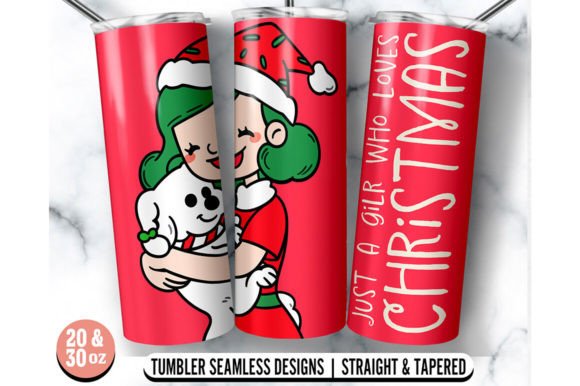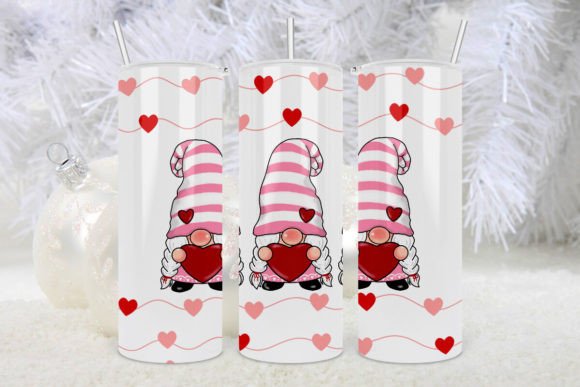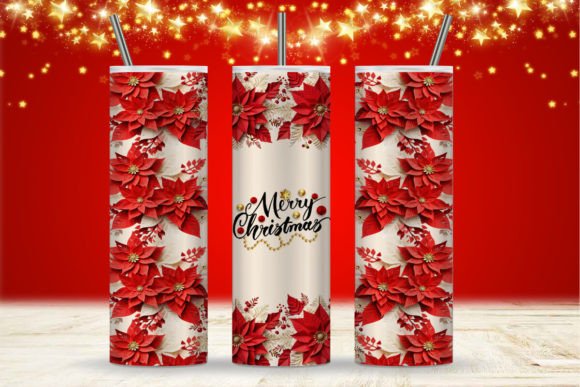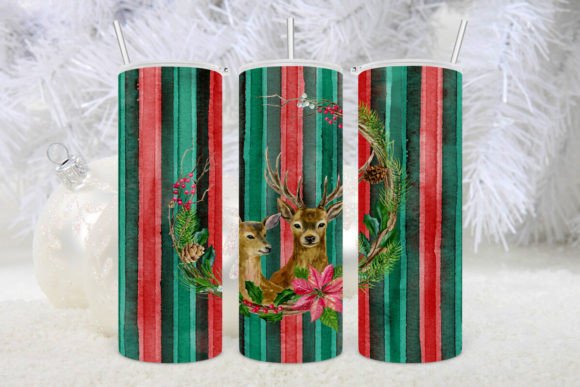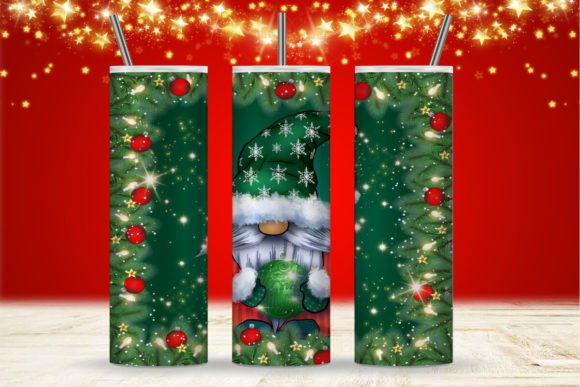
Christmas Gnome Tumbler
A Designer’s First Look: Charm with Clear Intent
When I opened the Christmas Gnome Tumbler file, what struck me first wasn’t just the festive red-and-green palette or the whimsical gnome perched on a snow-dusted pine branch—it was the *intentionality*. This isn’t a cluttered holiday collage. It’s a focused, balanced composition built for impact at medium scale: 9.3 x 8.2 inches gives breathing room without overwhelming, and the vertical orientation feels natural on tumblers, tote bags, and pillow covers alike. As an embroidery designer who’s stitched everything from baby onesies to boutique aprons, I immediately saw its sweet spot: joyful but not childish, detailed but not fussy, seasonal but not dated after New Year’s.
Real-World Use: From Mockup to Market
Last week, I prepped a small batch of embroidered linen tea towels for a local craft fair—part of a holiday collection themed around “cozy storytelling.” I tested the Christmas Gnome Tumbler as a central motif on one towel, centered just below the top hem. The result? Warm, inviting, and unmistakably handmade. Customers paused, smiled, and asked, “Is that a gnome? Where’s he from?” That kind of quiet engagement is gold for Etsy sellers and small shop owners. It works equally well scaled down for a baby embroidery project (think a 5-inch hoop on a cotton knit onesie) or enlarged slightly for a custom sweatshirt front—just mind the stitch density in curved areas like the gnome’s hat brim.
Where It Shines—and Where to Pause
The Christmas Gnome Tumbler thrives on stable, medium-weight fabrics: twill for patches, brushed cotton for tote bags, midweight fleece for holiday sweatshirts. Its clean lines translate beautifully into satin stitch for outlines and smooth fill stitch for the gnome’s coat and scarf. I’ve used it successfully on embroidered patches meant for backpacks and denim jackets—no fraying, no distortion, even after gentle machine washing.
But here’s where experience kicks in: avoid stretching it too thin on lightweight knits or jersey. The design’s subtle texture—like the stitching detail on the gnome’s boots or the tiny holly berries—can blur or skip on highly textured or loosely woven fabric. On dark fabric, test thread contrast carefully: a cream satin stitch on navy works; a pale yellow on charcoal may vanish. And while it’s lovely on caps, remember the curve—test placement on a cap blank first. The lower portion of the design (the base of the tumbler shape) compresses slightly when hooped on a curved surface.
Design Integrity Meets Commercial Reality
For craft business owners and digital product sellers, the Christmas Gnome Tumbler holds real value—not just as a graphics asset, but as a *trusted visual anchor*. When customers see this design on your Etsy listing or Instagram post, they instantly recognize warmth, craftsmanship, and seasonal relevance. It reads as professional, not generic. That builds trust faster than any tagline. I’ve seen handmade product listings using similar motifs sell out in under 48 hours—especially when paired with strong printable mockups showing the design on real mugs, totes, and nursery pillows.
That said, don’t assume automatic commercial rights. Since this is a digital embroidery file marketed for Crafts and Graphics, confirm licensing terms before bundling it into a kit, reselling as a standalone embroidery file, or using it in a mass-produced line. Clarity here protects your brand consistency—and your bottom line.
Practical Notes Every Embroiderer Should Run Through
- Always test on scrap fabric first—especially if you’re using a new stabilizer combo or unfamiliar thread brand.
- Check stitch density in the gnome’s beard and scarf fringe. Dense areas can pucker thin cotton; consider lightening fill density by 5–10% if needed.
- Confirm hoop size compatibility. At 9.3 x 8.2 inches, it fits standard 10” hoops—but verify your machine’s max dimensions before loading.
- Inspect small details in black-and-white mockups. What reads as charming in color might lose definition in monochrome—critical for branding or minimalist shops.
- Compare light/dark background previews. Does the gnome’s face remain expressive on both? If not, adjust thread colors—not the design.
- Use cutaway stabilizer for knits, tear-away for stable wovens. Skip fusible web unless you’re doing applique design work alongside it.
- Verify commercial use permissions before listing finished products on Etsy, at craft fairs, or in wholesale catalogs.
Final Thought: A Design That Earns Its Place
The Christmas Gnome Tumbler doesn’t shout. It leans in—friendly, grounded, and quietly confident. It’s the kind of embroidery file that makes your holiday collection feel cohesive, not chaotic. Whether you’re stitching personalized gifts for neighbors, building a boutique’s seasonal line, or creating digital embroidery files for other makers, this design supports your voice instead of competing with it. It’s practical enough for production, distinctive enough for branding, and warm enough to make someone pause mid-scroll and think, “I’d hang that on my wall—or wrap it up for Grandma.” That’s not just decoration. That’s connection, stitched in.